
Stop Wasting Time on Manual Marketing: 7 Quick Hacks That Actually Work
- Adam Churchwell
- Dec 10, 2025
- 6 min read
Updated: Dec 15, 2025
You're running a business, not a marketing department. Yet somehow you're spending hours every week manually sending emails, updating spreadsheets, and chasing leads that go nowhere. Sound familiar?
Here's the thing: the most successful entrepreneurs aren't working harder on marketing: they're working smarter. They've figured out how to automate the repetitive stuff so they can focus on what actually moves the needle.
If you're tired of playing marketing whack-a-mole, these seven hacks will help you reclaim your time without sacrificing results. Better yet, most of them can be set up in under an hour.
1. Ditch Calendar-Based Emails for Behavior Triggers
Stop sending emails because it's Tuesday. Start sending them because someone just did something that matters.
When a potential customer visits your pricing page twice in 24 hours, that's not a coincidence: that's buying intent. But most businesses miss this golden opportunity because they're stuck sending generic weekly newsletters instead of responding to real-time behavior.

Here's how to set it up: Connect your email platform to your website analytics (most tools like HubSpot, Mailchimp, or ConvertKit make this easy). Then create simple "if-then" rules: "If someone views pricing page more than once → send personalized email with product comparison."
Real example: A local consulting firm started sending targeted follow-ups to people who downloaded their pricing guide. Instead of waiting for their monthly newsletter, prospects got relevant information within hours. Result? Their conversion rate jumped 40% without any extra work.
The beauty of behavior triggers is they work while you sleep. No more guessing when to follow up: the system does it automatically when prospects show real interest.
2. Let AI Handle Personalization at Scale
Personalizing every email, social post, and landing page manually is impossible once you hit more than 50 prospects. But generic messages don't convert.
Enter AI-powered personalization. Modern marketing platforms can automatically customize subject lines, recommend products, optimize send times, and even adjust content based on individual user preferences: all without you lifting a finger.
Start simple: Enable send-time optimization in your email platform. The AI learns when each person typically opens emails and schedules delivery accordingly. One e-commerce brand saw 23% higher open rates just from this one change.
Level up: Use dynamic content blocks that automatically swap in relevant product recommendations, testimonials, or offers based on browsing history. It feels personal to the customer but requires zero manual work from you.
The goal isn't to replace human connection: it's to make genuine personalization scalable so you can focus on the high-value conversations that really need your attention.
3. Orchestrate All Your Marketing Channels in One Workflow
Your customers aren't just email subscribers or just social media followers. They're people who interact with you across multiple touchpoints: your website, social ads, text messages, and more.
Managing each channel separately creates gaps and duplicate work. Smart automation connects everything into unified workflows that respond to customers wherever they are.
Example workflow: Someone clicks your Facebook ad → lands on your website → abandons their cart → automatically gets a series of emails AND retargeting ads AND (if they opted in) a text reminder. All triggered by that initial abandoned cart, no manual coordination required.
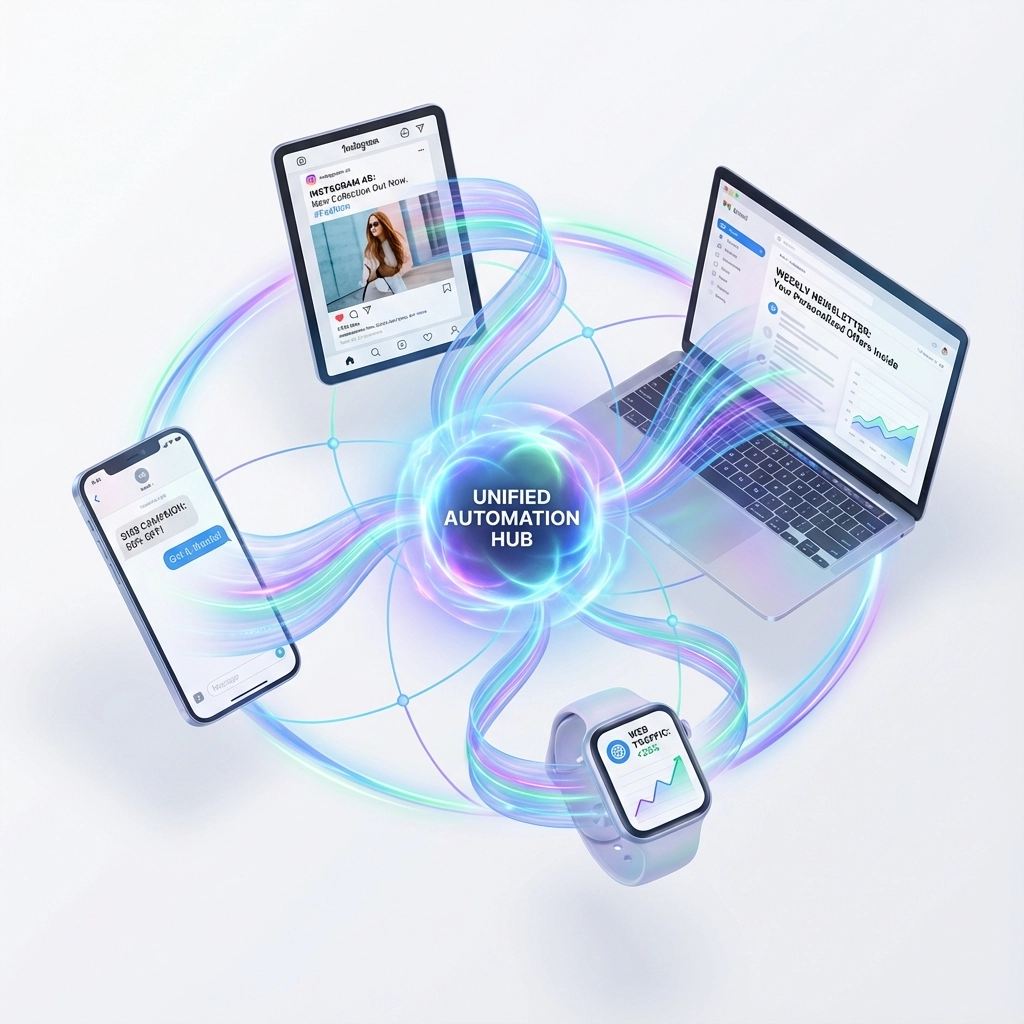
Implementation tip: Start with two channels (like email + retargeting ads) and one trigger event (like cart abandonment). Once that's working, expand to include SMS, social media, or push notifications.
This approach captures the full customer journey instead of hoping they'll respond to just one type of message. Plus, you're not juggling five different platforms: everything runs from one central workflow.
4. Score and Route Leads Automatically
Manually reviewing every lead inquiry and deciding where it should go is a massive time sink. Worse, delays in follow-up kill conversion rates.
Real-time lead scoring solves both problems. The system automatically evaluates each lead based on criteria you define (company size, budget, behavior, etc.) and instantly routes qualified prospects to sales while sending others to nurture campaigns.
Set it up: Define your ideal customer profile with your sales team. What company size? Which industries? What actions indicate buying intent? Build those criteria into a scoring model, then set up automatic routing rules.
Example: Marketing qualified leads (score 50+) go straight to sales with a Slack notification. Everyone else enters a nurture sequence designed to educate and build trust over time.
The payoff: Fast follow-up on hot leads while ensuring no prospect falls through the cracks. One B2B company reduced their lead response time from hours to minutes, increasing their close rate by 35%.
5. Build Email Sequences That Sell While You Sleep
Email drip campaigns are like having a sales rep who never takes a vacation. Once set up, they nurture prospects through your entire sales process automatically.
The key is mapping your sequences to actual customer journeys, not just random tips and promotions. What questions do people ask before they buy? What objections come up repeatedly? Address these systematically through automated sequences.
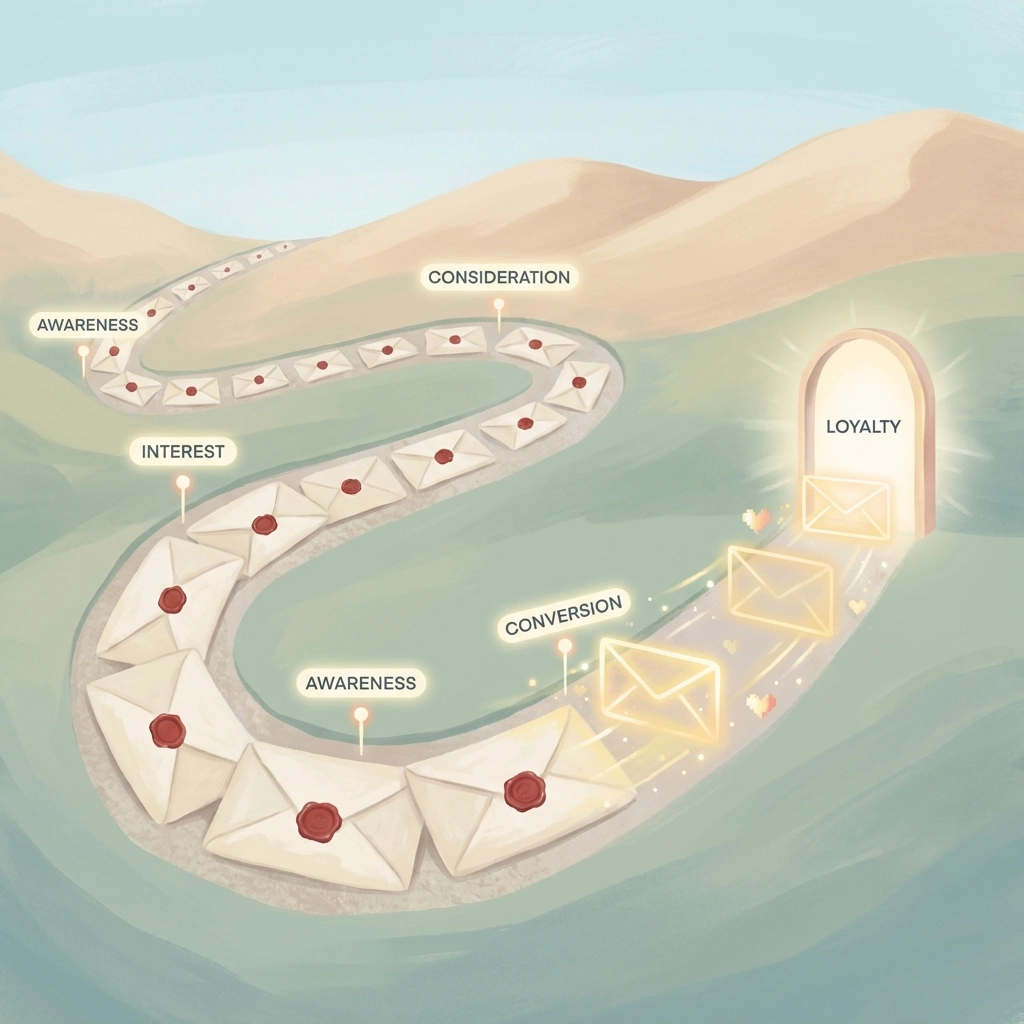
Proven sequence structure:
Welcome email (set expectations)
Problem/solution content (3-4 emails)
Social proof and testimonials (2 emails)
Soft pitch with value proposition (1 email)
Direct offer with urgency or scarcity (1-2 emails)
Pro tip: Include behavioral triggers within your sequences. If someone clicks a pricing link but doesn't purchase, branch them into a sequence that addresses common buying objections.
Companies using drip campaigns generate 50% more sales-qualified leads while reducing acquisition costs by 33%. The best part? They work 24/7 without any ongoing effort from you.
6. Deploy AI Chatbots for Instant Customer Service
Your team shouldn't be answering the same questions 50 times a week. "What are your hours?" "How much does it cost?" "Do you serve my area?" These are perfect for automation.
Modern AI chatbots handle routine inquiries instantly while capturing lead information and qualifying prospects. They work nights, weekends, and holidays: when you're busy living your life instead of babysitting customer service.
Smart implementation: Set up chatbots to handle FAQ-type questions and collect contact information, but escalate complex issues to humans. This gives customers immediate responses while ensuring they get real help when needed.
Lead qualification bonus: Program your chatbot to ask qualifying questions early in the conversation. "What's your budget range?" "When are you looking to start?" This information gets passed to your sales team so they're prepared for every conversation.
One service business reduced customer service time by 60% while actually improving customer satisfaction scores because people got instant answers instead of waiting for business hours.
7. Capture Leads Automatically with Smart Forms and Exit-Intent Popups
Every visitor who leaves your website without converting represents lost opportunity. Exit-intent popups specifically target people who are about to leave, giving you one last chance to capture their information.
But here's where most businesses mess up: they ask for too much information or make generic offers. Smart lead capture is specific, valuable, and friction-free.
High-converting popup strategies:
Offer something immediately valuable (checklist, template, discount)
Use minimal form fields (just name and email)
Include social proof ("Join 2,847 other business owners")
Create urgency with limited-time offers
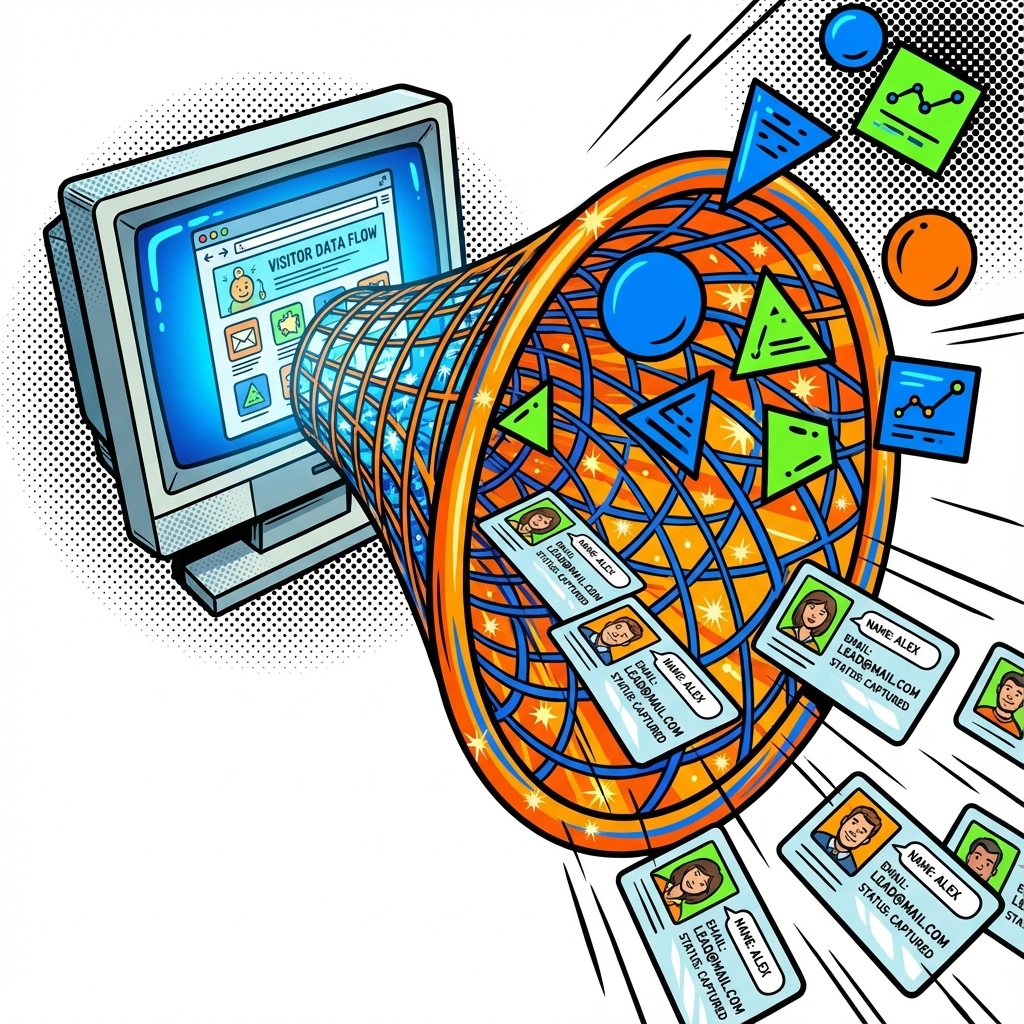
Advanced tip: Use different offers based on which pages people visit. Someone leaving your pricing page gets a consultation offer. Someone leaving your blog gets a related resource download.
The automation piece: Once someone submits the form, they automatically enter relevant email sequences based on their interests. No manual follow-up required.
Companies using targeted exit-intent popups report conversion rate improvements up to 600%. Even a 2% conversion rate on exit-intent can add hundreds of new leads per month.
Your Next Steps
Don't try to implement all seven hacks at once. That's a recipe for overwhelm and incomplete setups.
Instead, pick the one hack that addresses your biggest time drain right now. If you're manually following up with every lead, start with lead scoring and routing. If you're spending hours writing individual emails, begin with behavior-triggered sequences.
Set up one automation this week, test it for two weeks, then layer in the next one. Within 30 days, you'll have multiple systems working together to generate leads and nurture prospects while you focus on running your business.
The goal isn't to remove yourself from marketing entirely: it's to eliminate the repetitive tasks so you can spend time on strategy, relationship building, and growth initiatives that actually need your brain.
Ready to stop playing marketing whack-a-mole? Pick your first hack and get it running by Friday. Your future self will thank you.
Need help implementing these marketing automations? ASC Consultants specializes in helping busy business owners set up systems that generate leads without the manual work.
Comments